
- News
Published on 29/10/2025
Baukunst in Barcelona: a pilot project to rethink urban matter
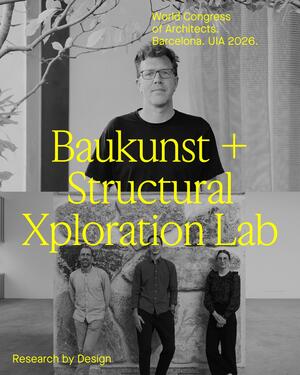
© WBA As part of the UNESCO World Capital of Architecture 2026, Barcelona is set to become an international laboratory for architectural experimentation and material circularity.
The Barcelona Provincial Council, in collaboration with the BIT Hàbitat Foundation, the Fundació Mies van der Rohe, Barcelona d’Infraestructures Municipals (BIMSA), and the UIA World Congress of Architects 2026, has announced the launch of two pilot projects under the challenge “Mineral. Architectures of the Urban Mine.”
Supported with €100,000 in funding, these initiatives aim to develop new construction systems based on urban construction waste, reducing carbon footprints while fostering a circular economy approach to architecture.
Spolia: revaluing urban matter
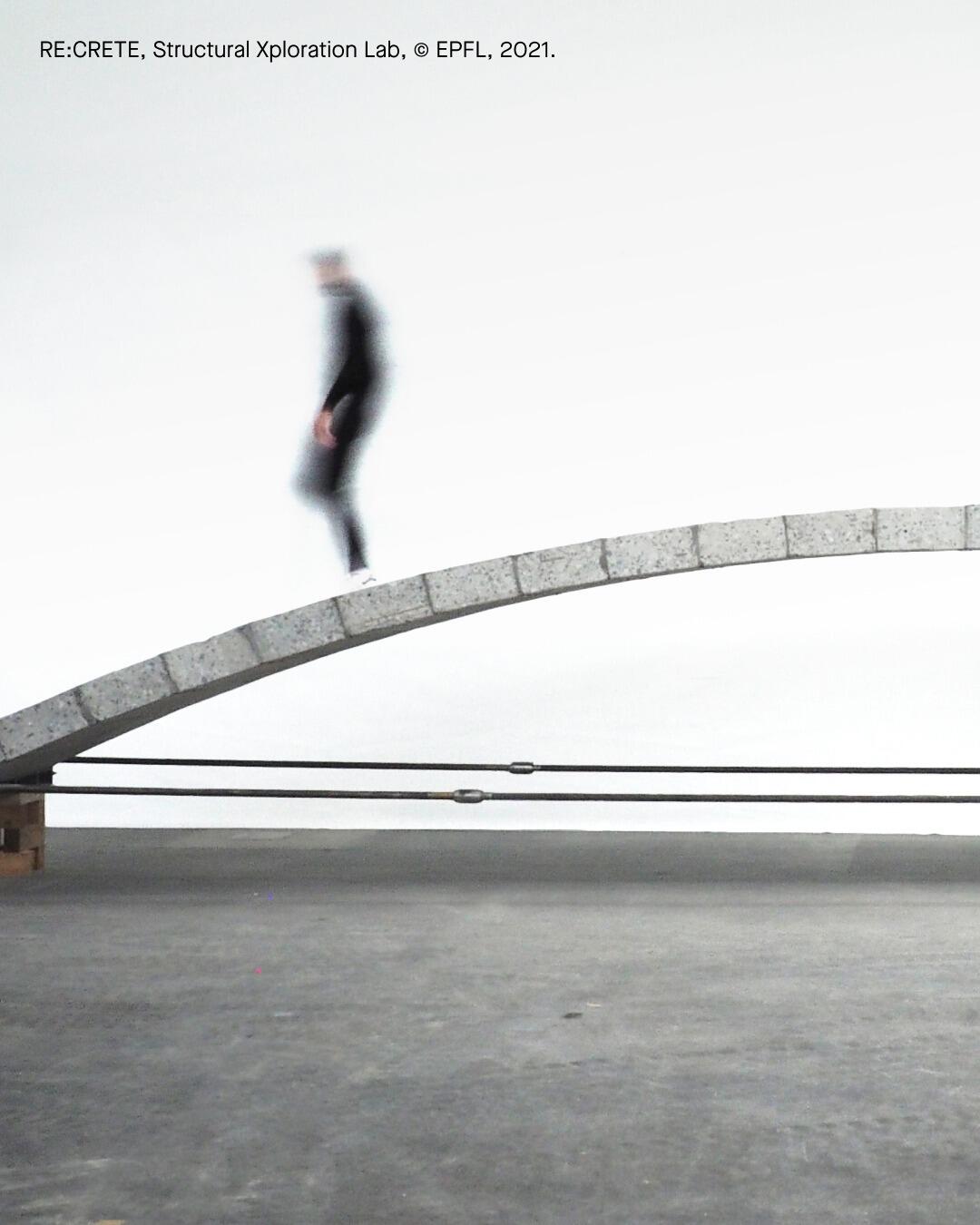
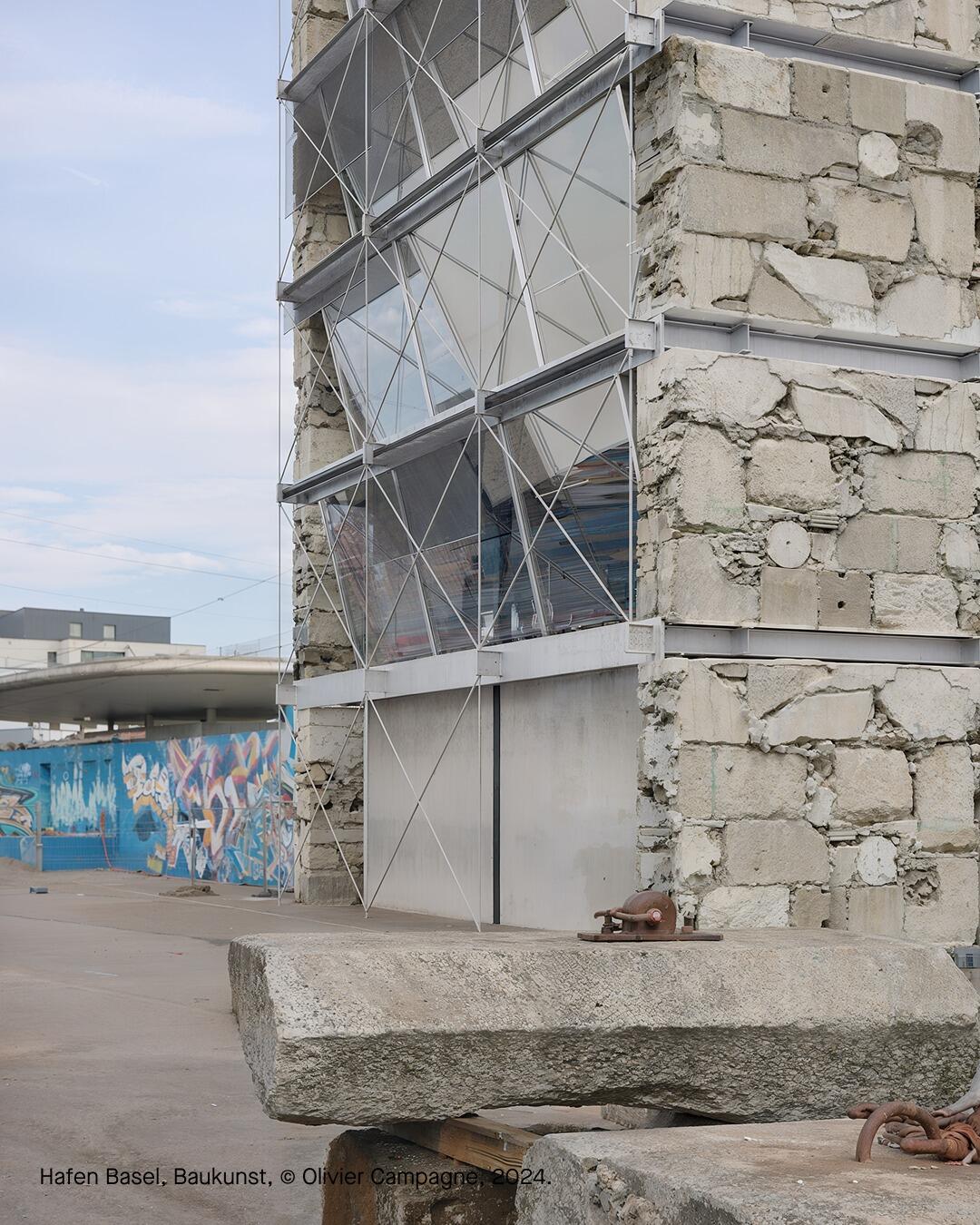
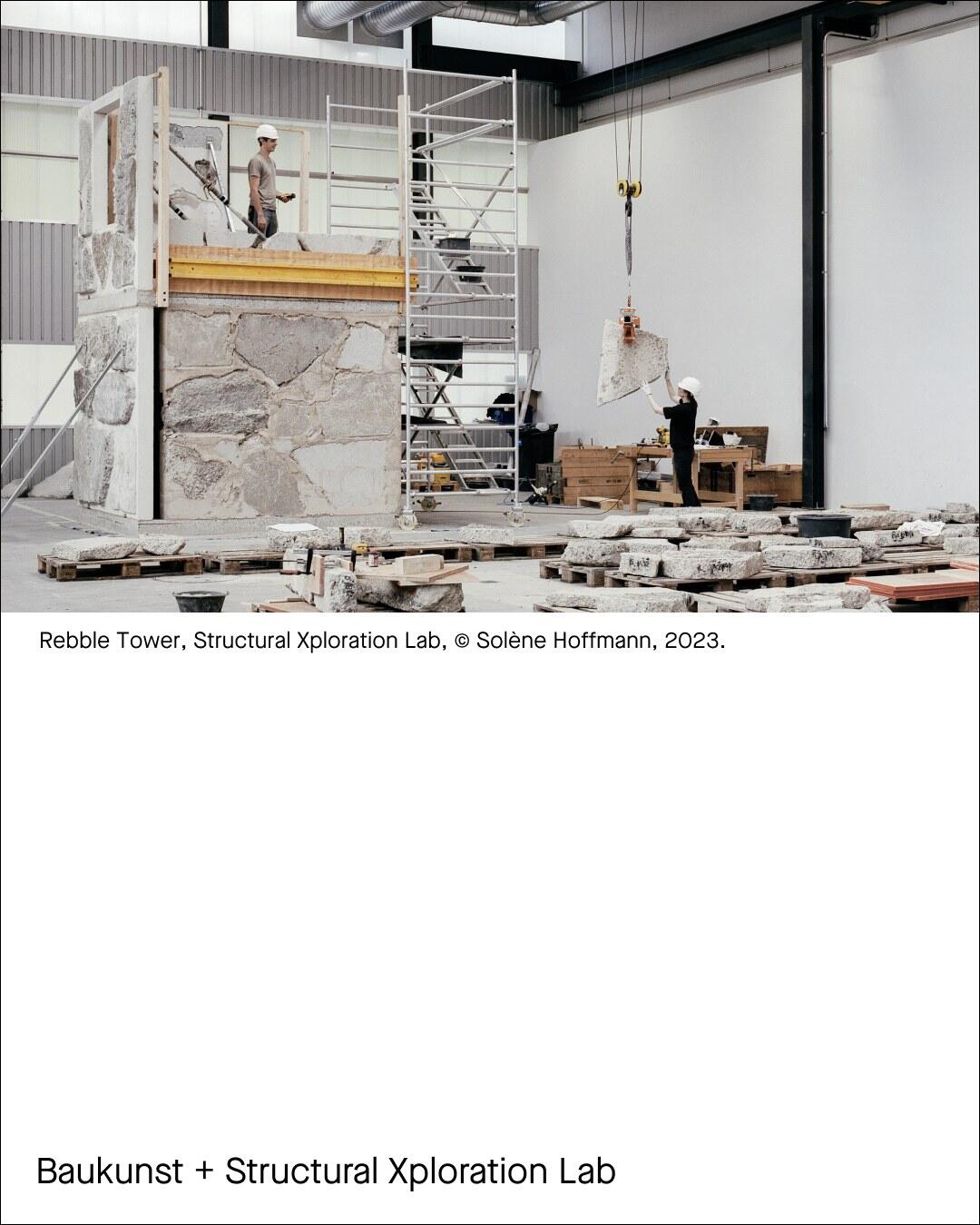
Among the two selected projects, the Brussels-based practice Baukunst, in collaboration with the Structural Xploration Lab (EPFL), was chosen for its project Spolia.
The proposal explores the reuse of large fragments of asphalt and concrete, without prior transformation, to create durable and expressive wall structures.By giving constructive value to materials sourced from the city itself, Spolia opens a broader reflection on material reuse, urban temporality, and the dialogue between matter and memory within architectural practice.
The second selected initiative, Grounded Futures, is led by the Belgian collective BC Materials, BC Architects, and BC Studies. It focuses on the production of new construction materials made from mineral waste and a natural algae-based binder, following a low-tech and circular approach to building.
A pioneering practice in Research by Design
In parallel with this selection, Baukunst and the Structural Xploration Lab are among the twelve international pioneering practices of “Research by Design” chosen for the UIA World Congress of Architects 2026.
Research by Design is one of the core formats of the Congress, created to bridge research and architectural practice in addressing contemporary environmental, social, and political challenges. Over the course of a year, the selected teams will develop contextual and transformative projects, grounded in real-world situations and generating new ways of conceiving and constructing the city.
Six of these projects will take Barcelona as their field of study, while the other six will be developed in international contexts.
The results will be presented during the Congress, which will take place from June 28 to July 2, 2026, through an exhibition, a series of lectures, and an official catalogue, reflecting the richness and diversity of the approaches explored.





- Actualités
Published on 06/05/2026

Julien Deloffre (L’atelier DEV) et Jeanne Autran-Edorh (Studio NEiDA) sélectionnés pour le prix Europe 40Under40
Cette année, Julien Deloffre du bureau bruxellois l'Atelier DEV, et Jeanne Autran-Edorh, du Studio NEiDA également basé à Bruxelles, figurent parmi [...]Architecture and Design Award
