



- Project
GR1N
- Architect
LINTO
Atelier d’architecture Matador
Atelier d'Architecture Matador
- Programme
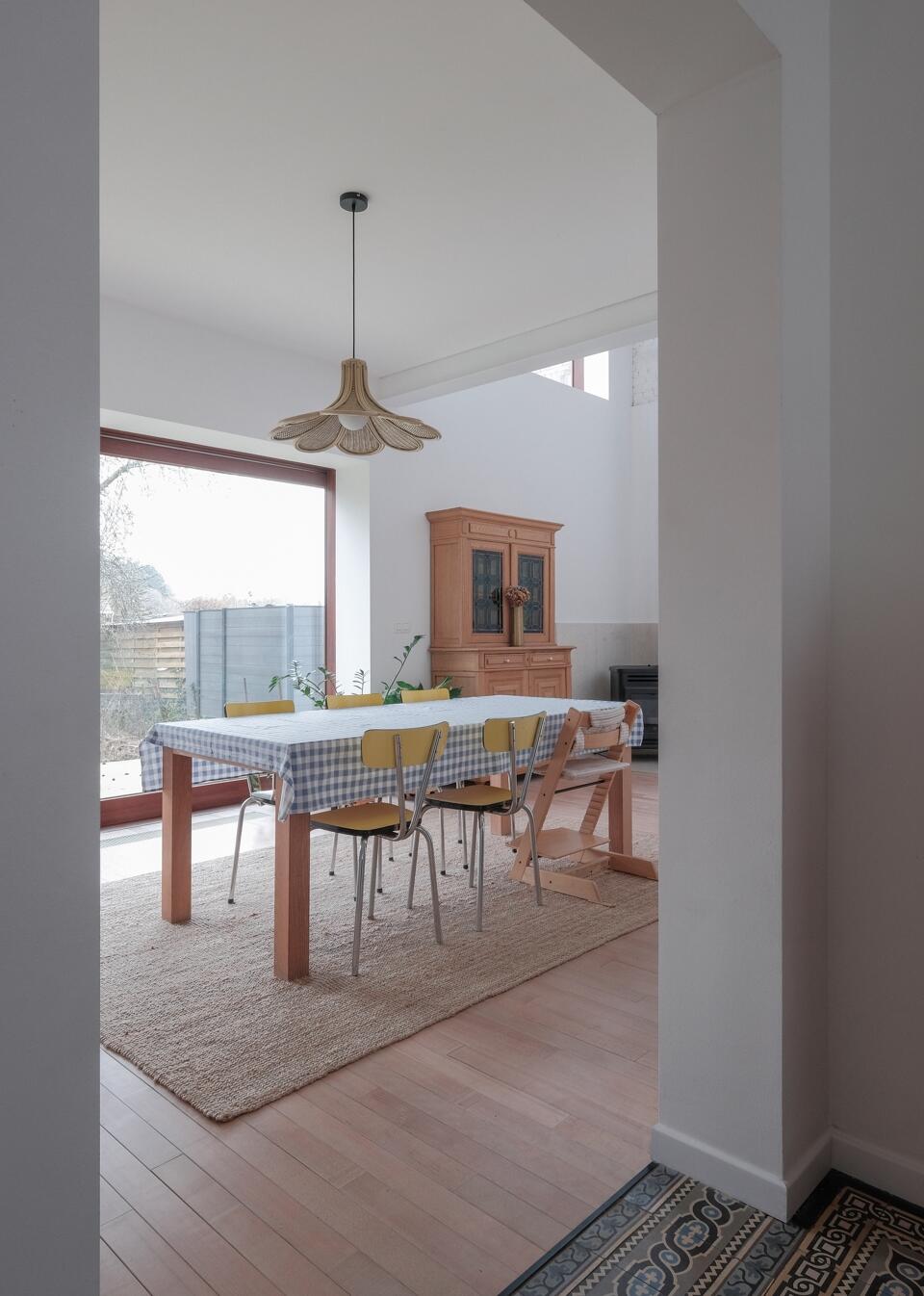
A single-family house featuring a spacious living area divided into multiple spaces, allowing each resident to find their own privacy; a new terrace that feels like a natural extension of the living space; and a small home office.
- About
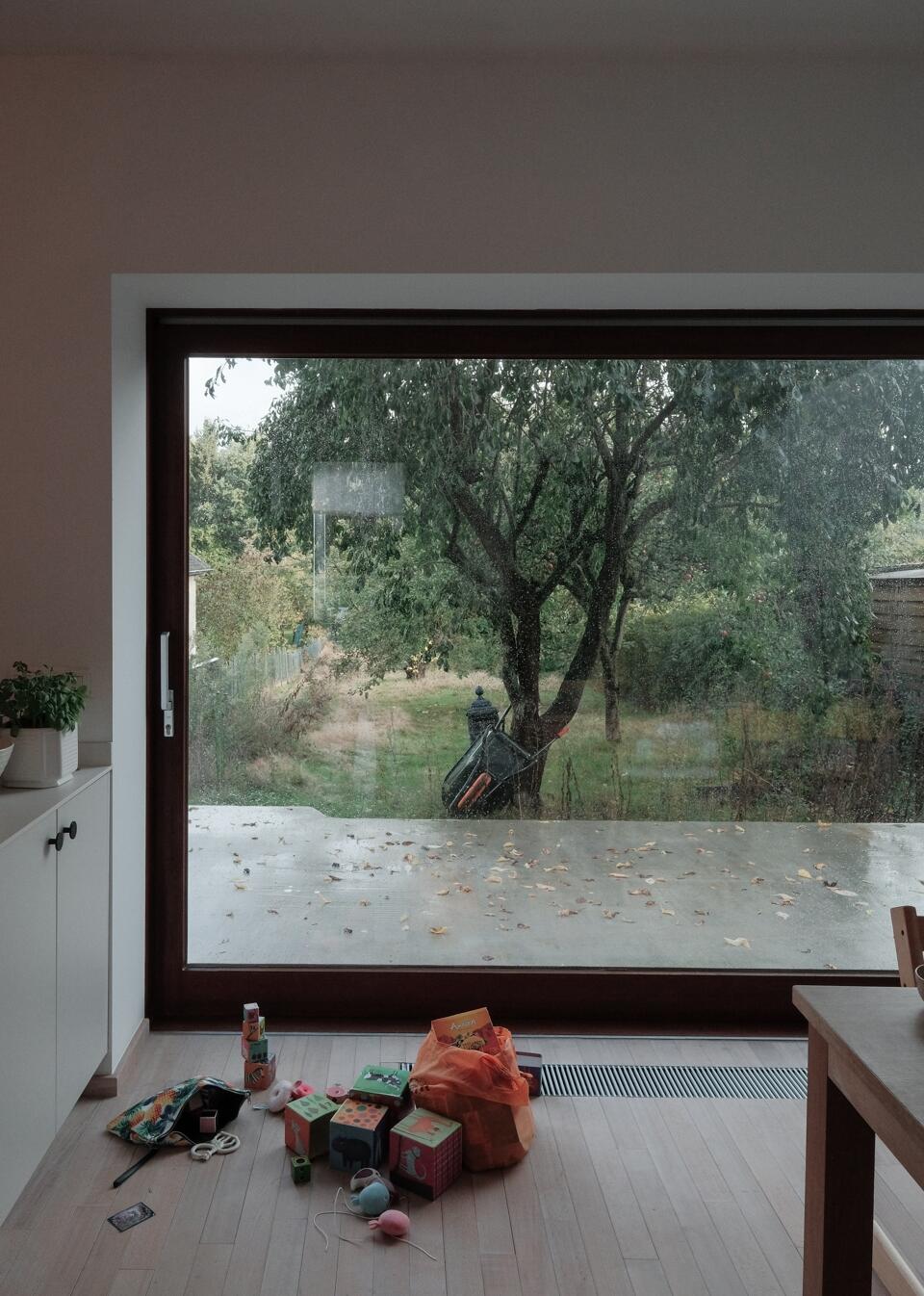
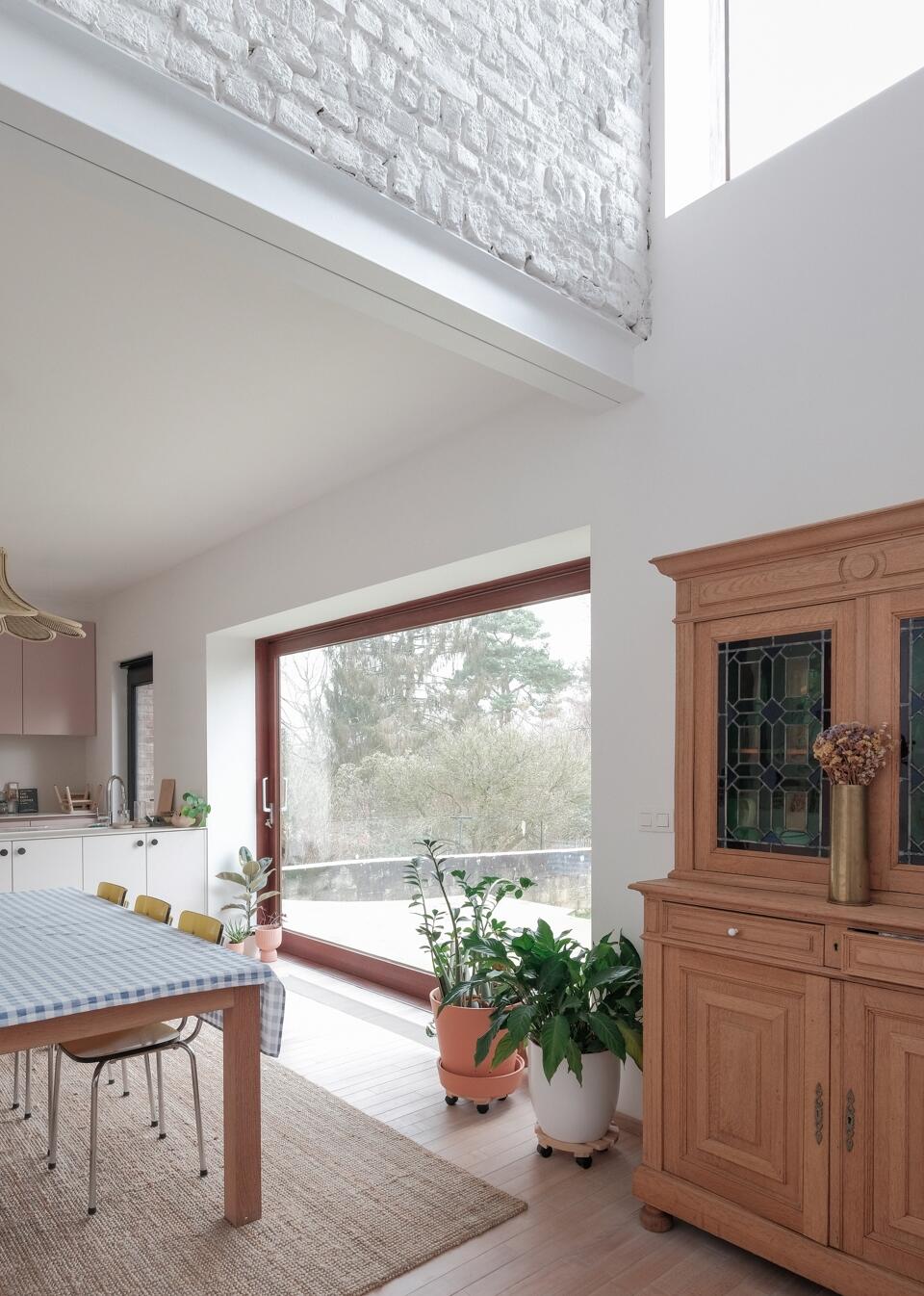
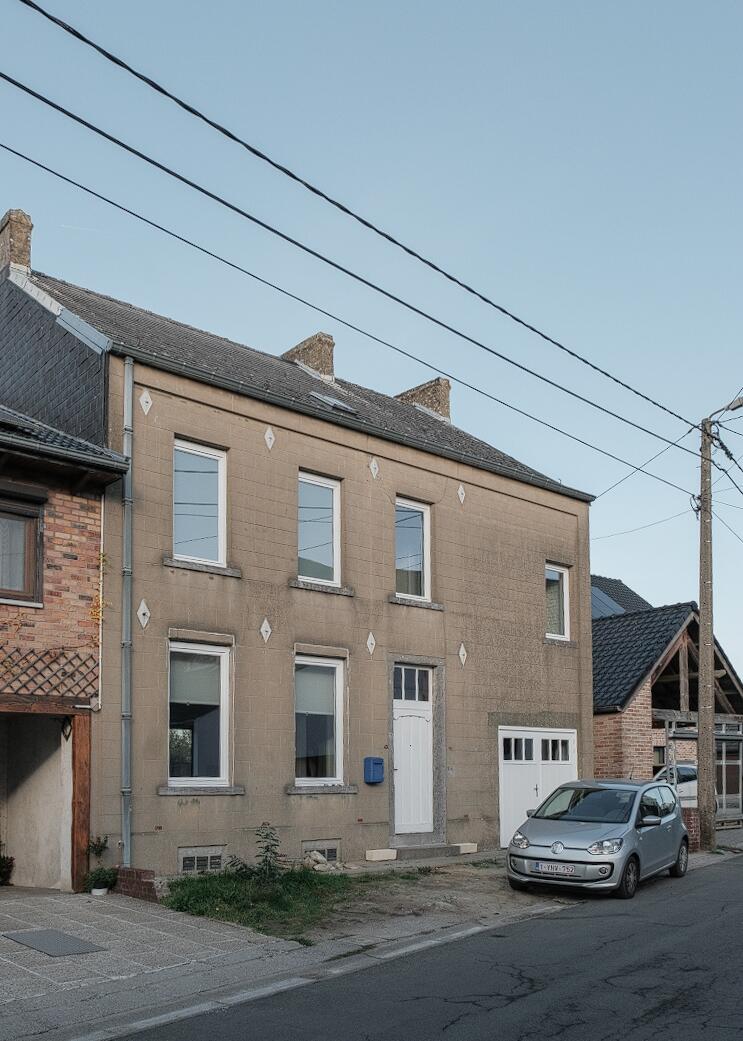
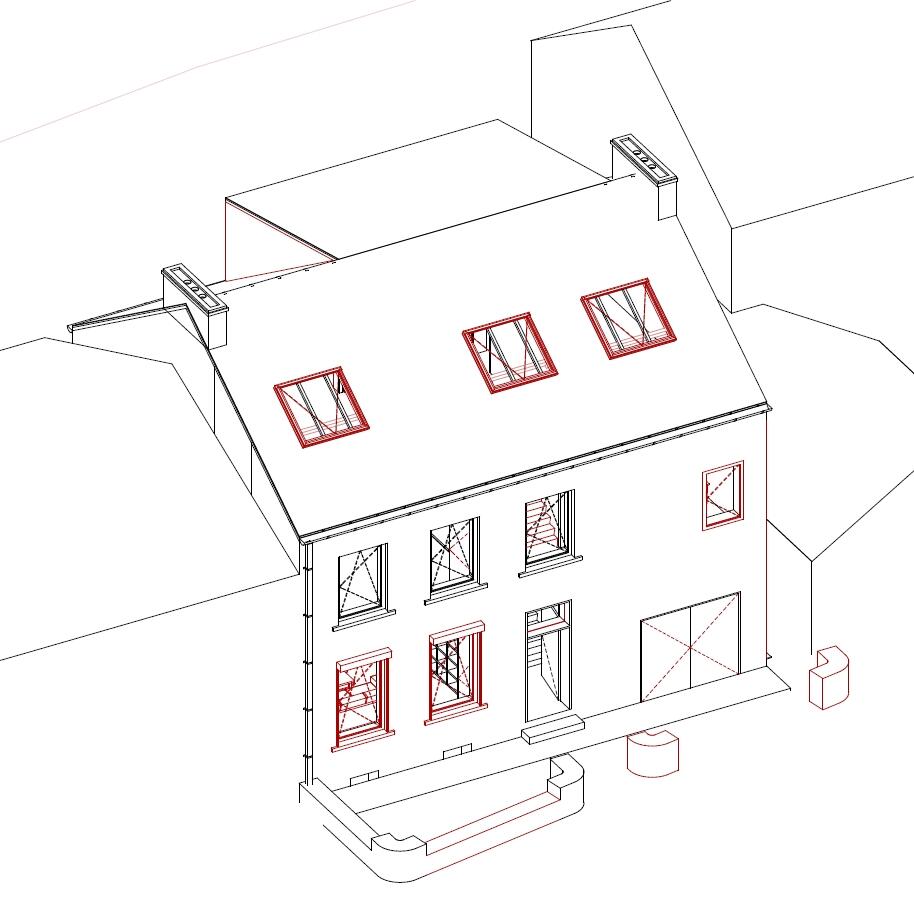
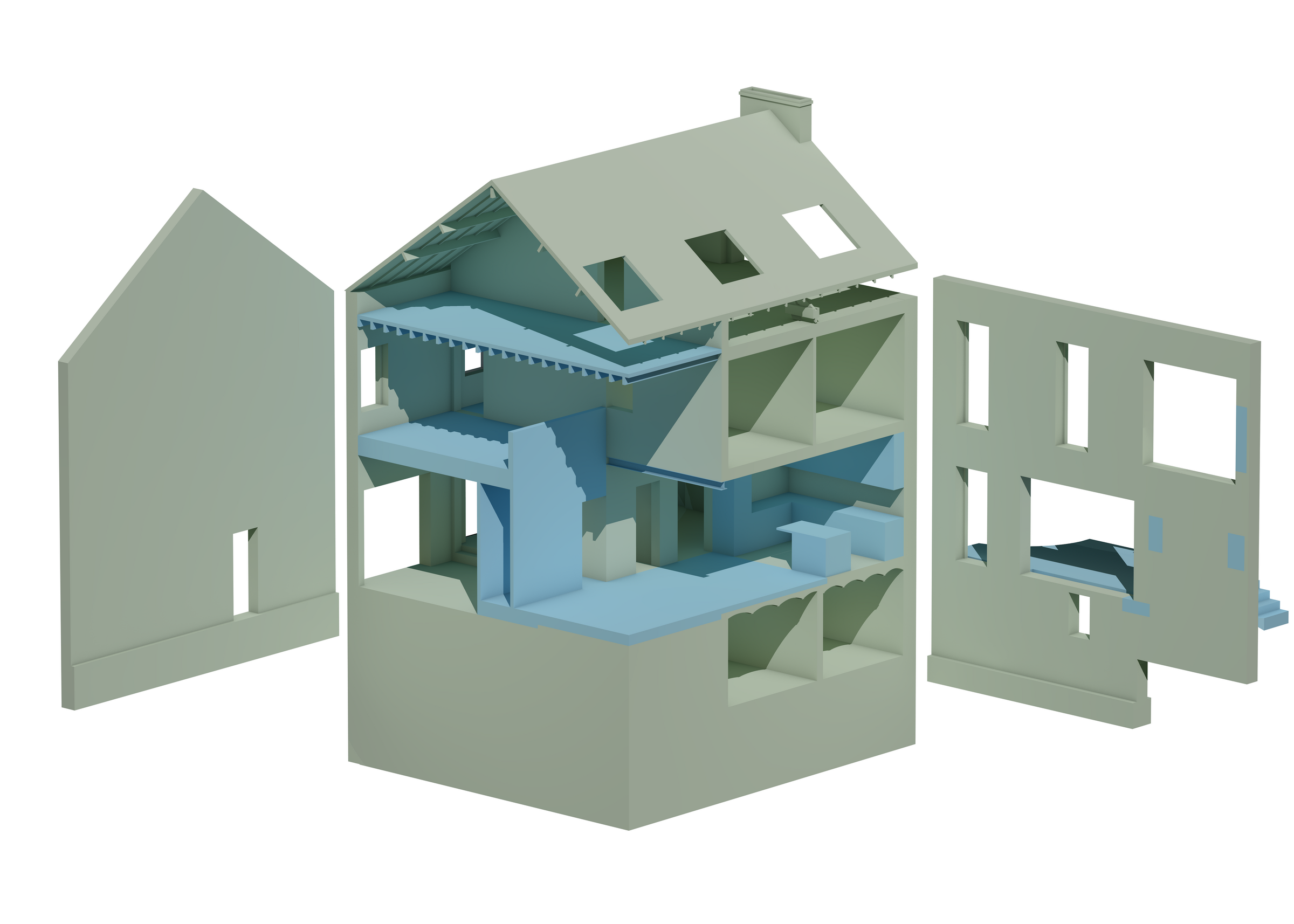
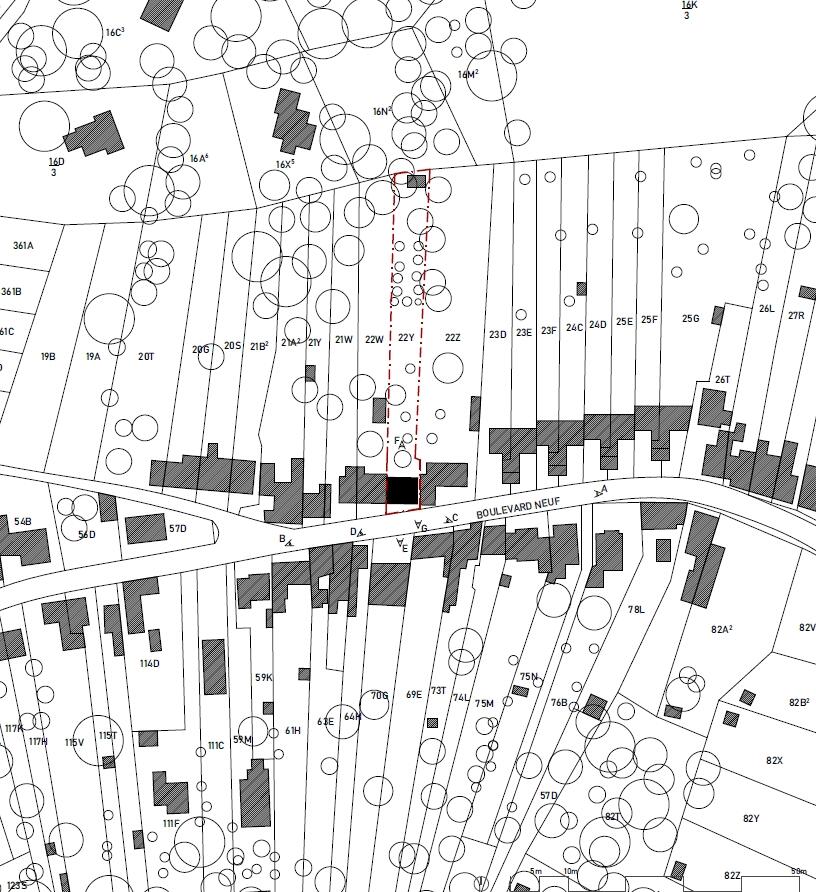
GR1N is a renovation and transformation project of an old rural house in Villers-la-Ville. The building had two distinctive features that served as the driving force behind the project: a 10-meter-high space under the roof ridge, previously used for grain storage, and an almost non-existent connection with the garden. The project explores the possibilities offered by this tall, unused space and simultaneously establishes a direct and open spatial relationship with the garden.
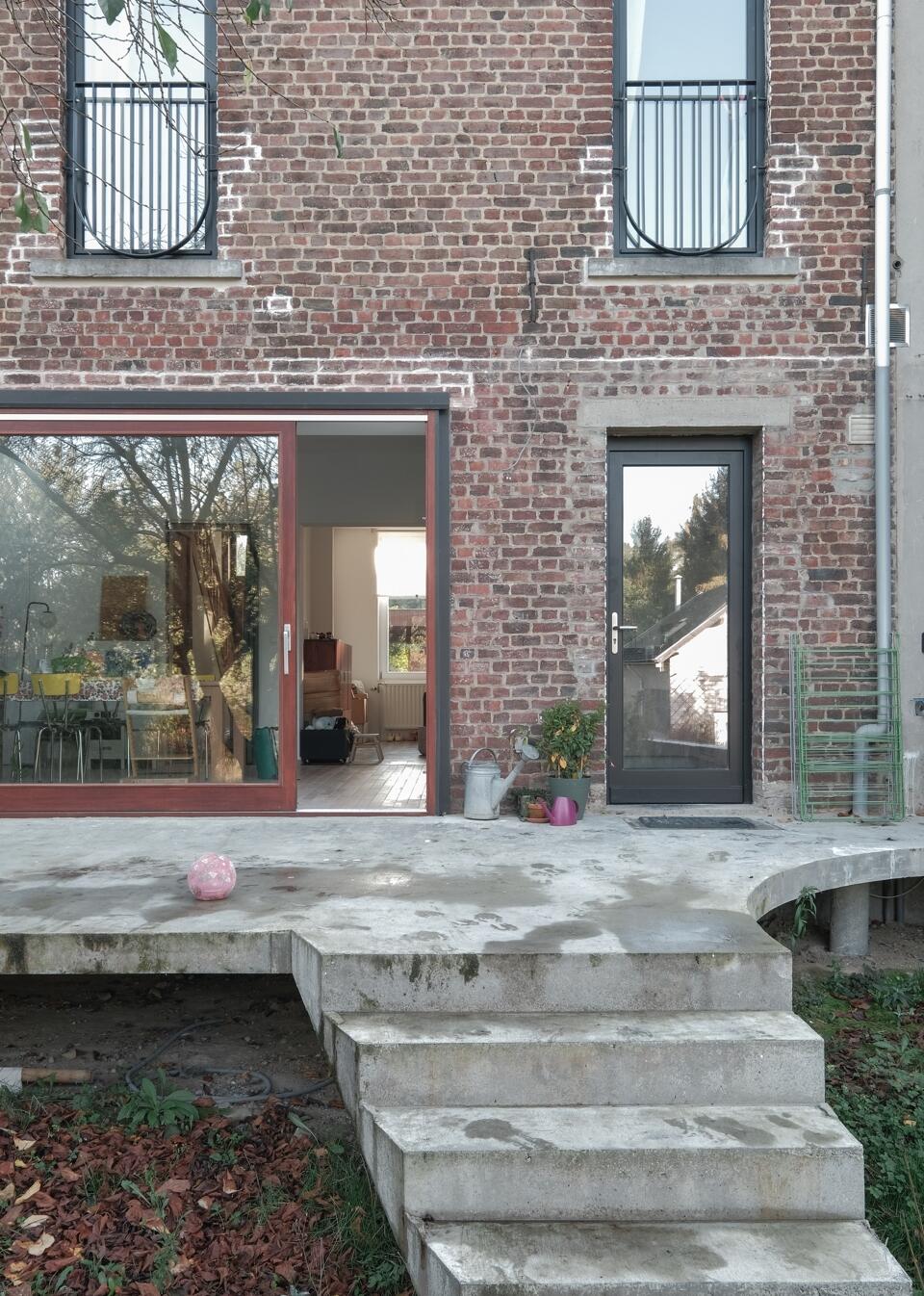
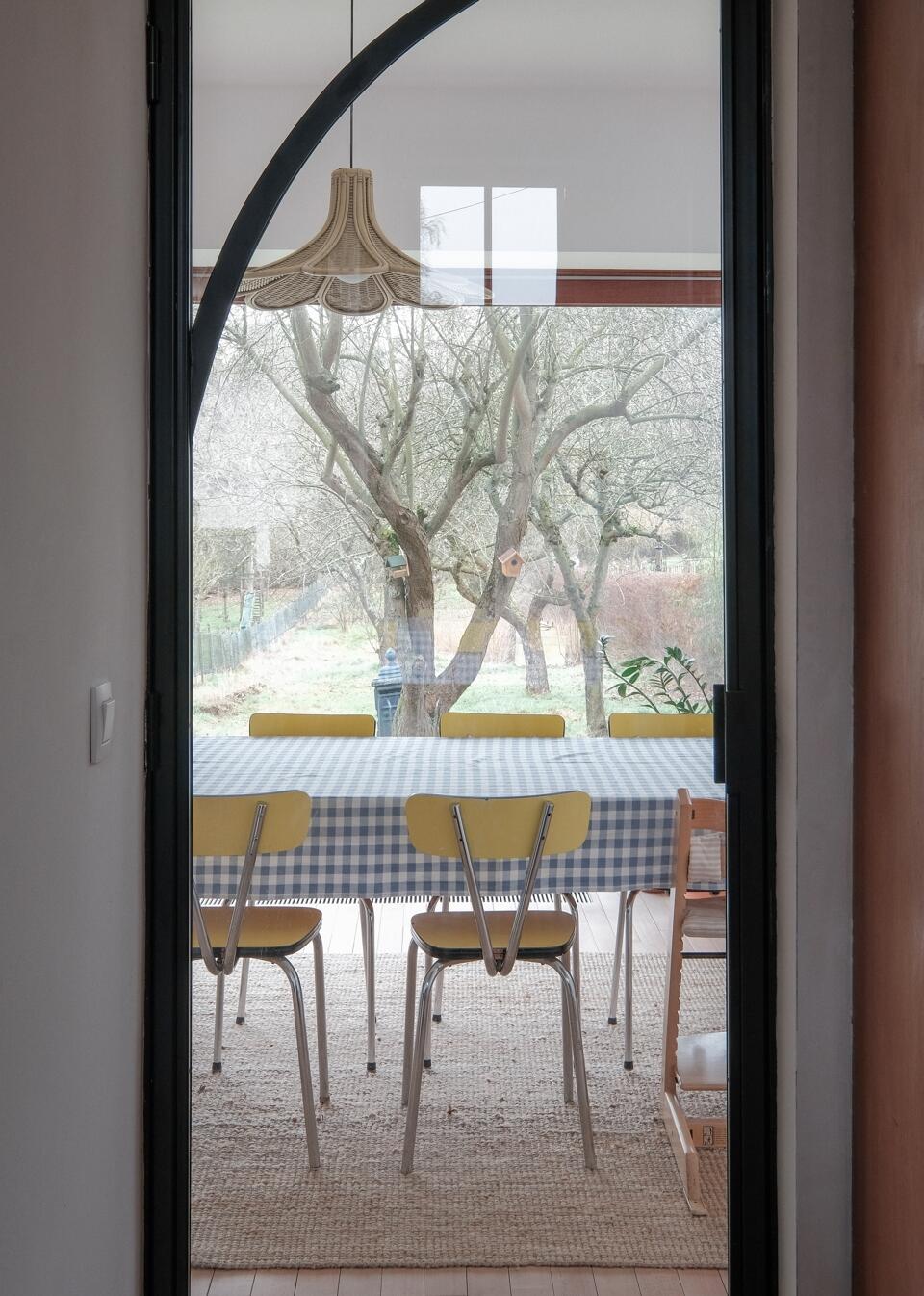
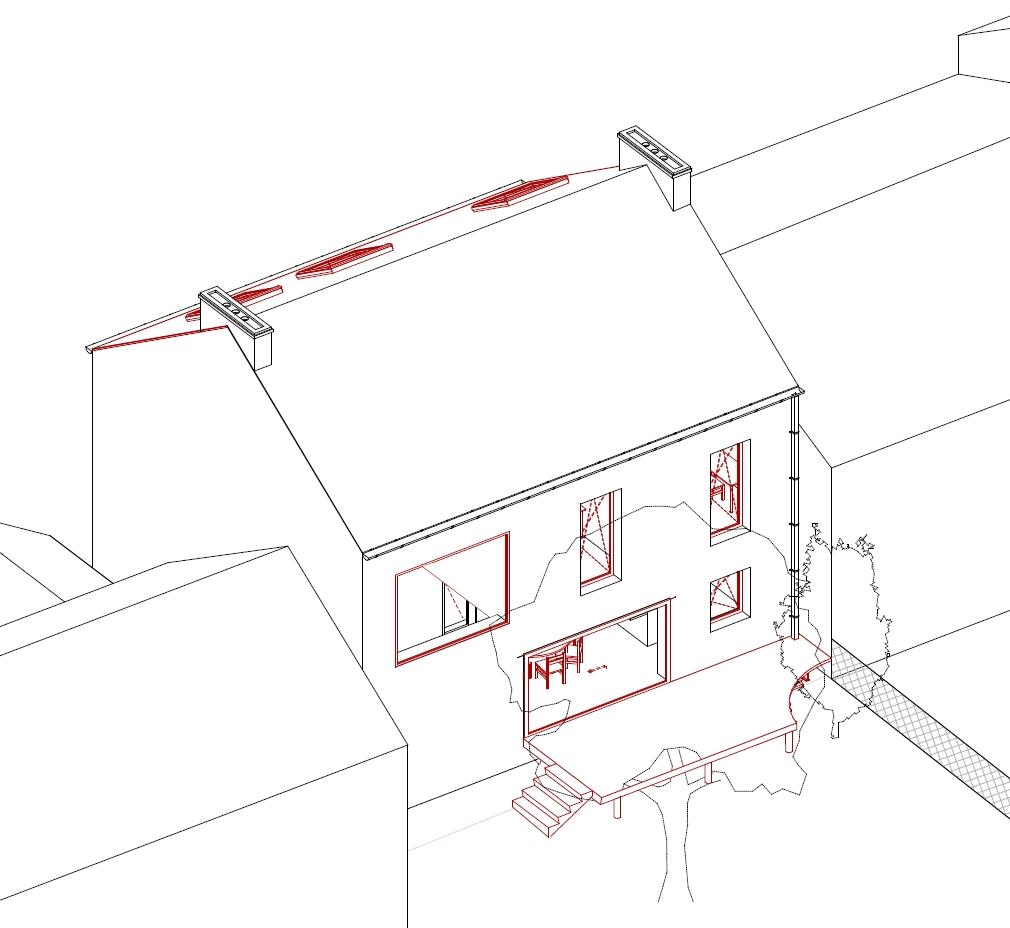
New openings on the garden-facing façade bring more natural light into all the living areas and provide the inhabitants with a new terrace. The double-height living area and the visual connections throughout the interior spaces aim to link the rooms together, create a sense of spaciousness, and establish a visual permeability between the interior and the garden. These design choices also allow for natural ventilation throughout the house, adapting to seasonal changes.
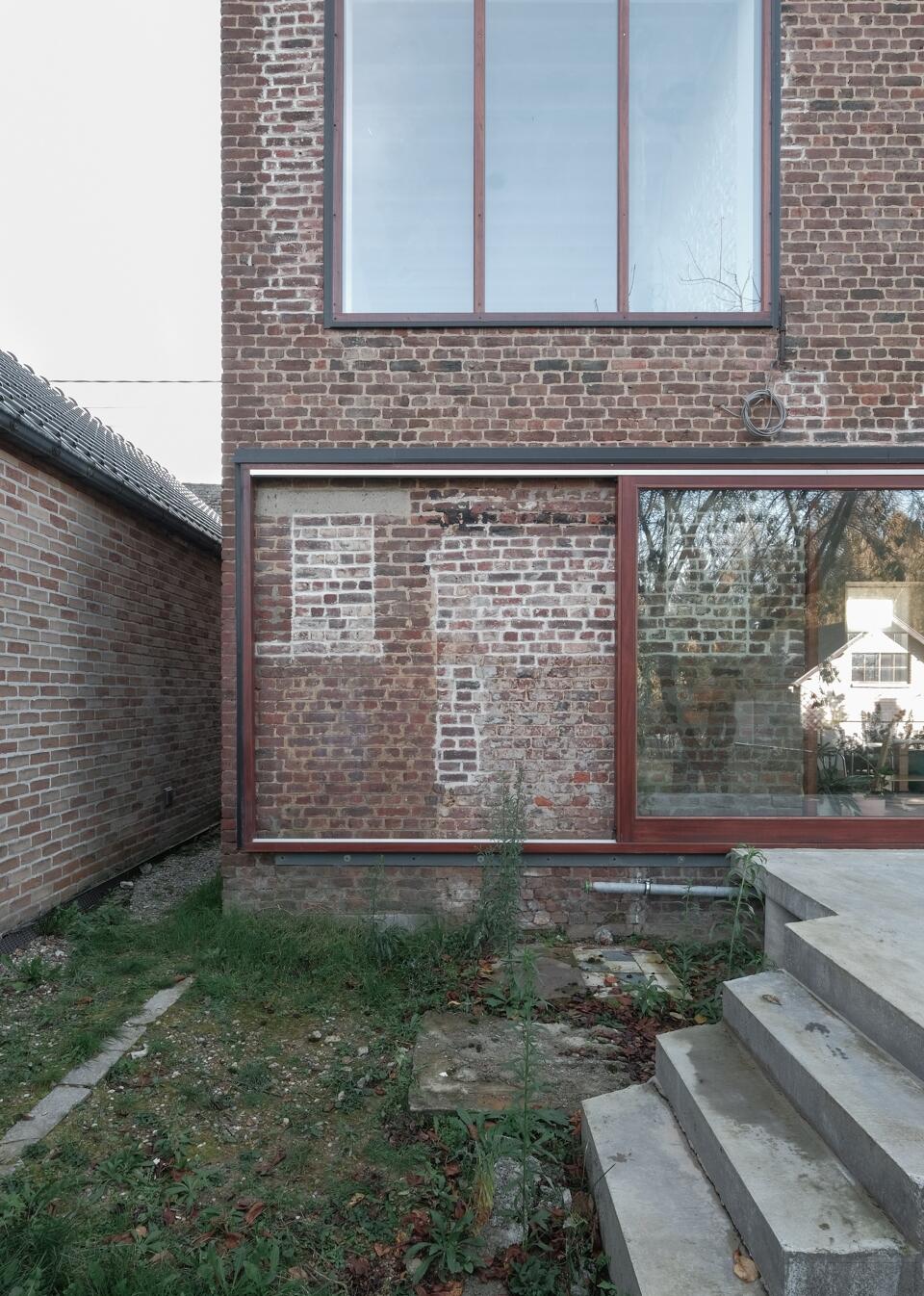
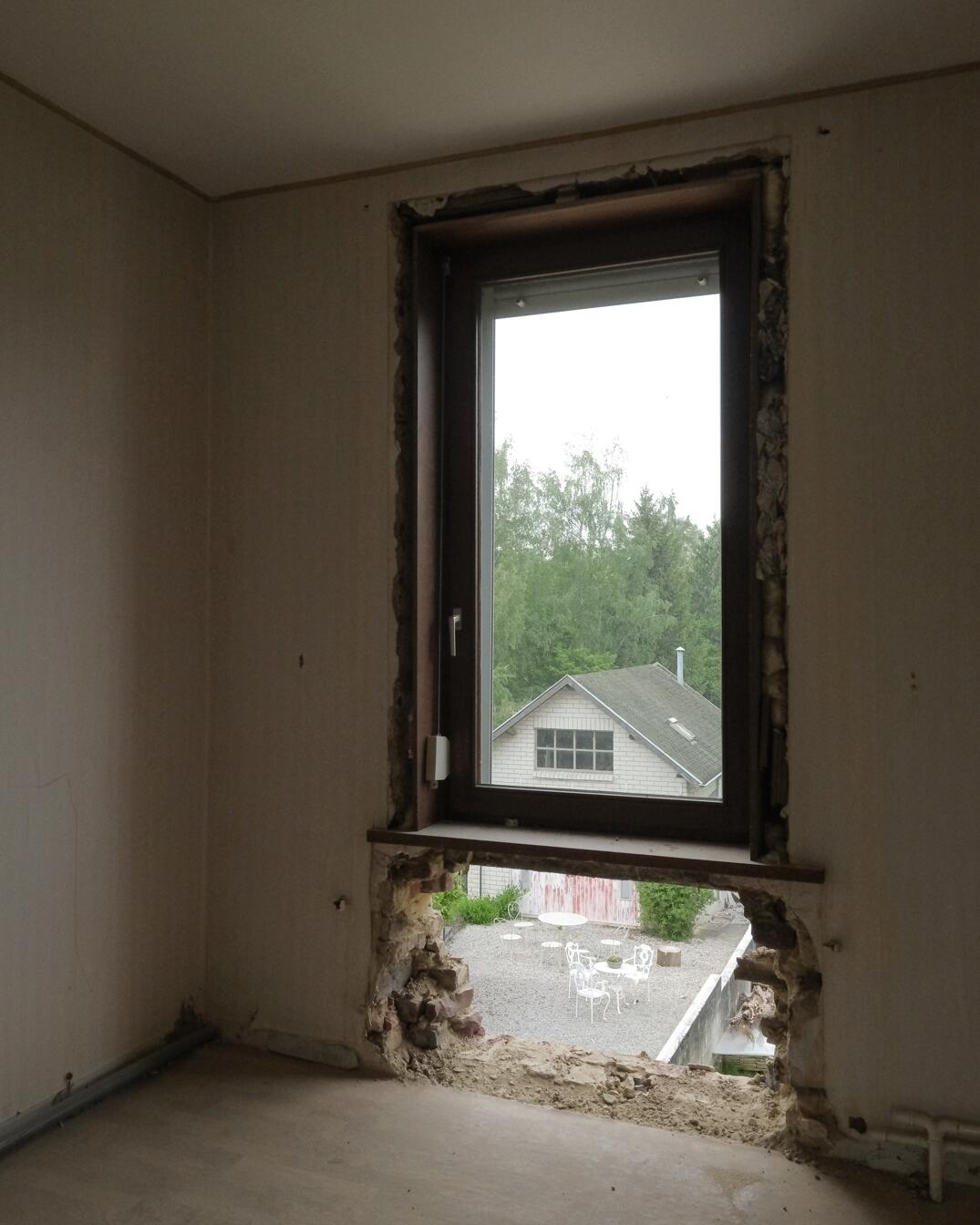
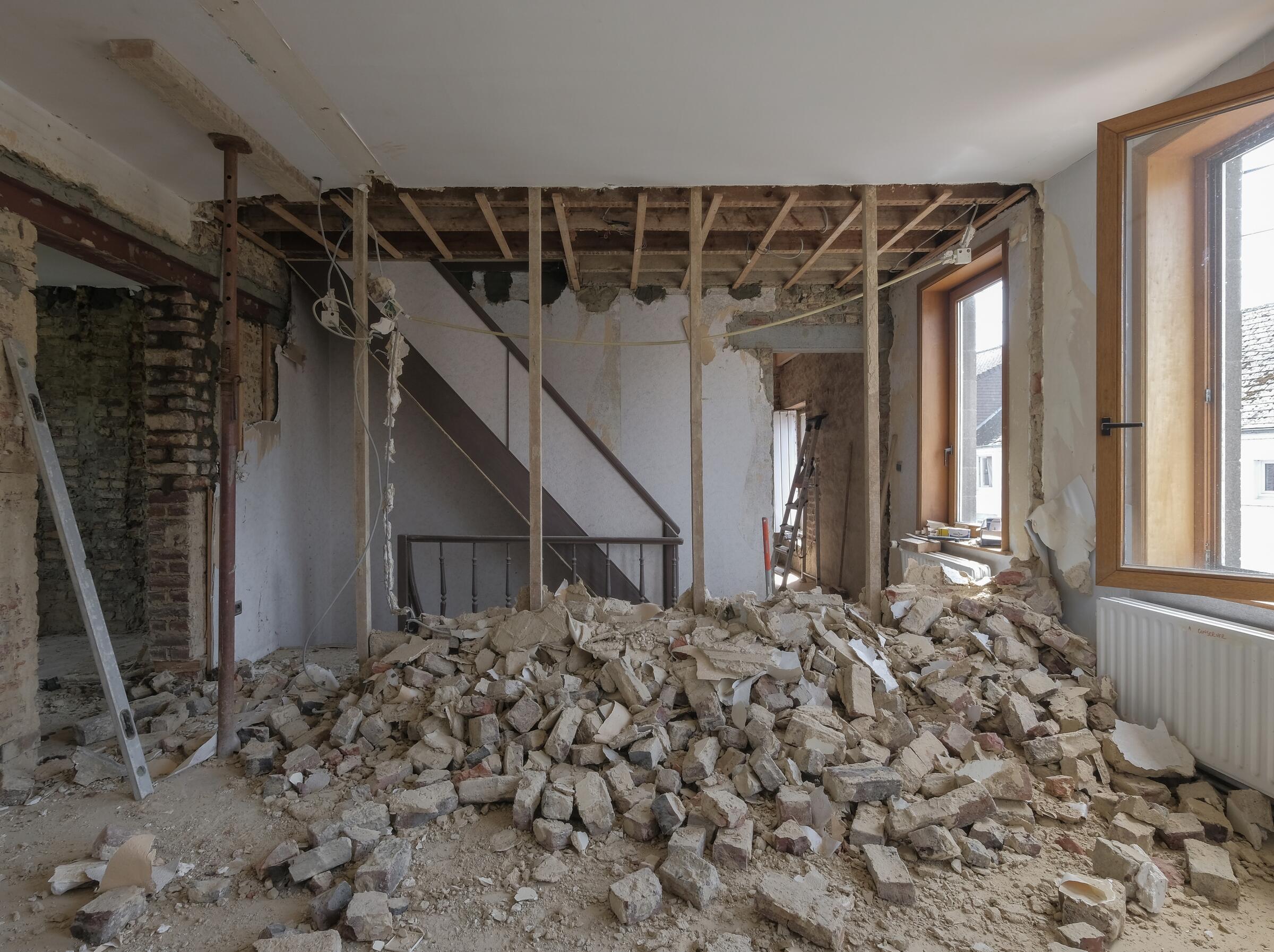
GR1N is a local and low-tech intervention, favoring architectural solutions over technical ones. The design builds upon the existing strengths and qualities of the building while preserving traces of its evolution. The house has been approached as a living entity, undergoing an organic transformation that has been unfolding since the early 20th century. Like the surrounding traditional rural structures, the façade and interior walls have been reworked: bricks from load-bearing walls have been extracted, relocated, and reassembled elsewhere in the house. The façade now reveals a palimpsest of scars, reflecting different periods and transformations over time.
The renovation prioritizes sustainable and locally sourced materials. Many original elements of the house, such as doors, flooring, and other details, were either preserved or dismantled and repurposed. The new joinery, fixtures, and flooring materials were sourced from material recovery companies within the Opalis network.
The project simplifies the house’s layout and composition:
- Small annexes and parasitic structures surrounding the main building were removed.
- New openings were created on the façade to enhance the connection with the garden.
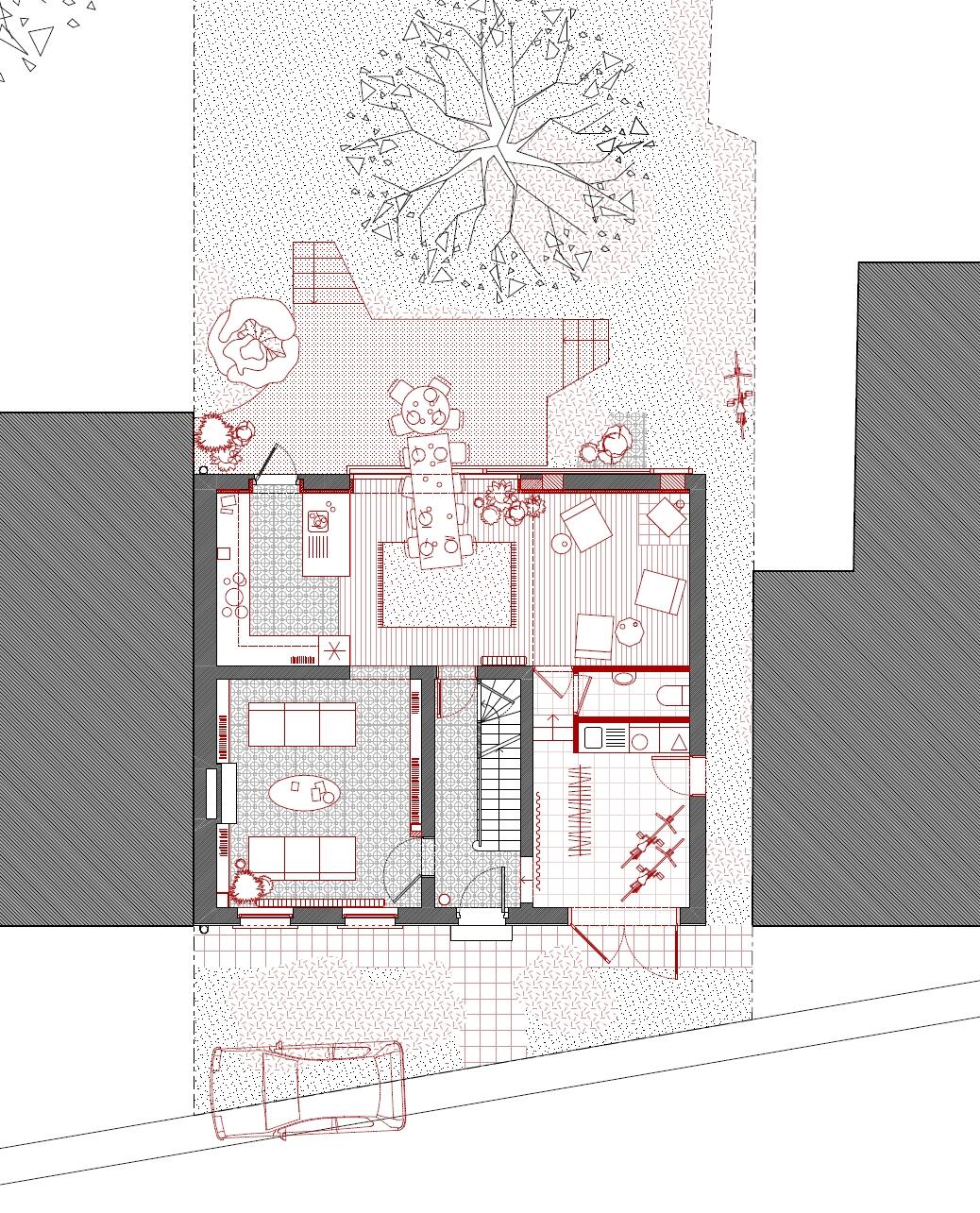
- The ground floor was opened on both sides of the staircase, allowing circulation around it and creating a north-south cross-through living space that fully connects to the terrace.
- The terrace becomes an extension of the living room when the large window frame is fully opened.
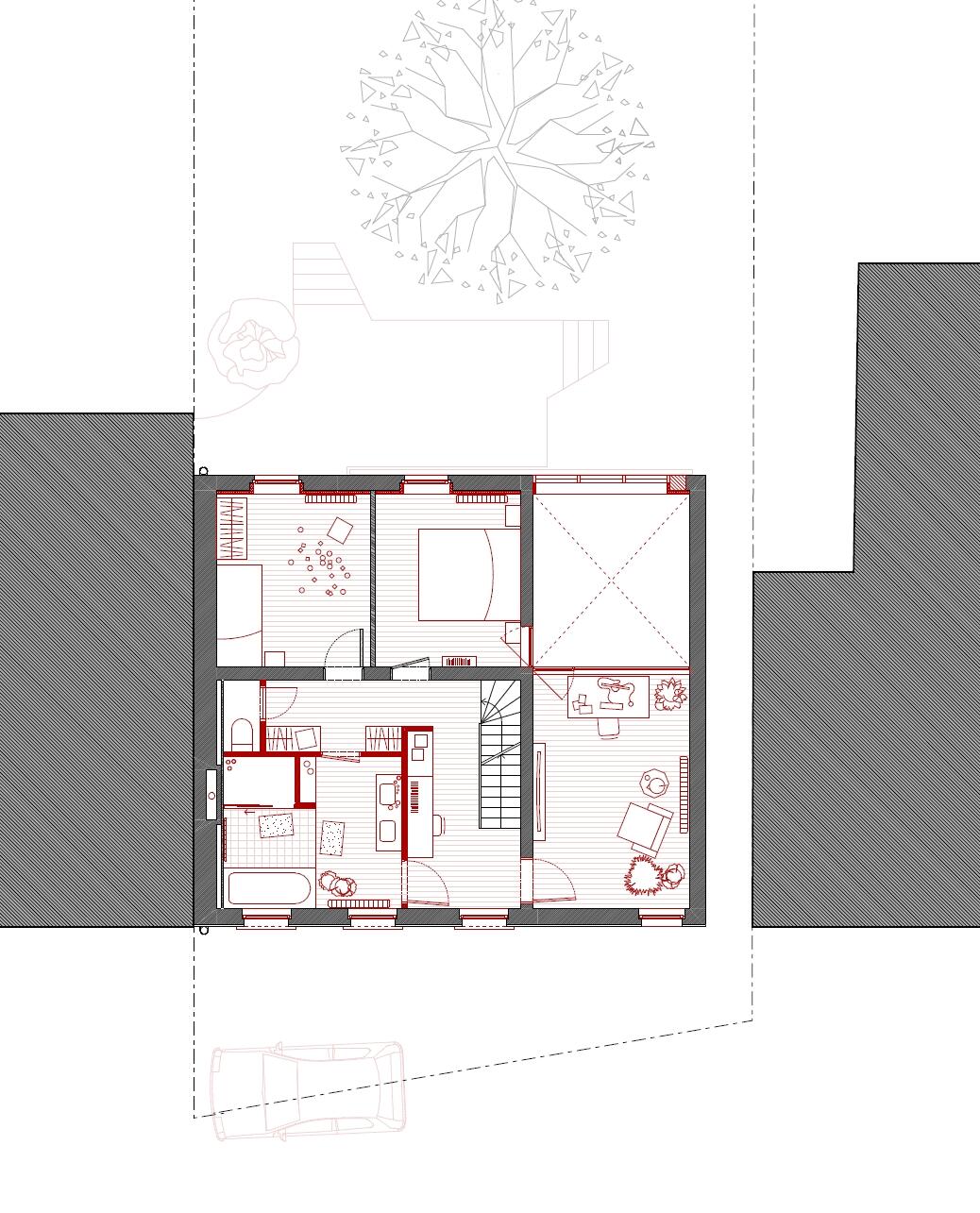
- The former grain storage area now accommodates new functions within the home: a laundry room on the south-facing ground floor and an upstairs office overlooking the double-height living space, with distant views of the abbey woods.
This transformation marks the first phase of the project, organizing the daytime living areas on the ground floor and the nighttime spaces upstairs. More importantly, it consolidates and prepares the house for future climate challenges and a second phase of transformation involving the roof.
- Typology
- Maisons privées
- Status
- Construit
- Year of conception
- 2020
- Year of delivery
- 2023
- Client
- Privé
- Total budget
- 121.000 € €
- Per m² budget
- 1250 €/m2
- Constructed area
- 336 m2 m2