
- PublicationsLanguages: 3 versions FR - DU - EN Pages: 232Price
16 €ISBN
9789491789045Distributor Belgium
info@bmabru.beDistributor Europe
info@bmabru.bePublished on 12/09/2014
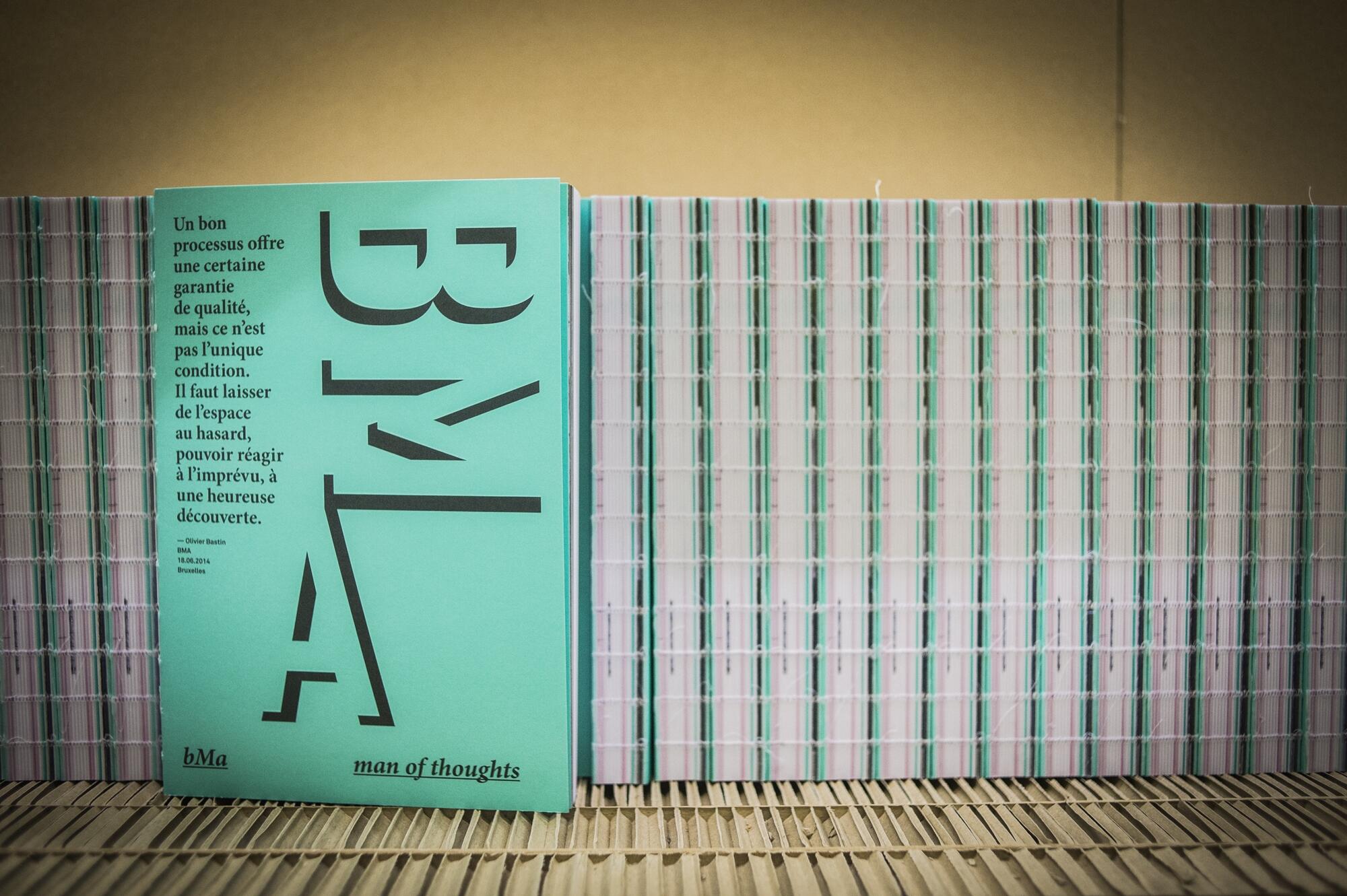
bMa / Man of Thoughts
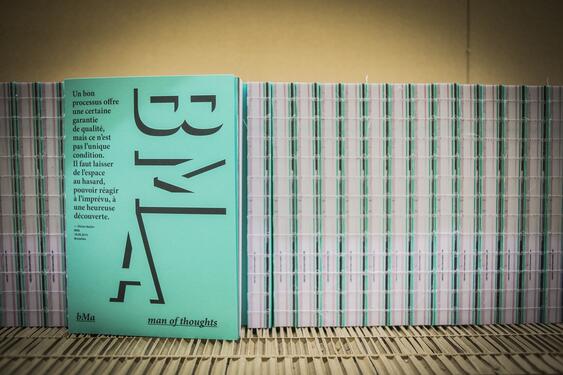
© Wouter Van Vaerenbergh. The publication follows the route taken by the first Head architect of the Brussels-Capital Region, developed in six main chapters.Brussels-based photographer, Marie-Françoise Plissart took a series of portraits of Brussels through the eyes of nineteen "silent opinion-leaders". The series of photos stands as a tribute to the city and as a status quaestionis of its spatial policies. The series is echoed in nineteen"witness statement" by individuals who worked closely with the bMa and his team in recent years. They reflect on the work process and the continuity of the bMa as institution.The head architect himself then talks about the role and responsability of his mandate, the Brussels context, and the tangible achievements of the past five years. A "Cabinet of novelties" uses personal items belonging to the bMa and his team to tell the tale of the complex challenges theyu faced, stories of enthusiasm as well as doubt that accompanied the five years in office. A visual account of eighteen key projects shows how the bMa plays his role in various ways and reveals the processes that took place.The book closes with an inventory of all the projects that ended up on the desk of the bMa over the five past years.
- PublicationsSous la direction de
Jean-Marc BasynAuteur
Sous la direction de Jean-Marc Basyn. Articles de : Véronique Boone, Tom Broes, Angélique Campens, Maurizio Cohen, Robby Fivez, Jacinthe Gigou, Gérald Ledent, Réjean Legault, Géry Leloutre, Laura Lievevrouw, Giulia Marino, Arthur Schweisthal, Sophia Sentissi, Emma Simonin, Iwan Strauven, Stephanie Van de Voorde, Ellen Van Impe, Tom Verhofstadt.Published on 28/04/2026

Brutalisme Bruxelles
Ce premier ouvrage de référence consacré au brutalisme à Bruxelles et sa proche périphérie aborde ce mouvement des années 1950 – 1980 dans sa diversité : immeubles de bureaux, logements, campus universitaires, hôpitaux, centres culturels, lieux de culte, stations de métro ou encore interventions d’artistes. [...]
- PublicationsAuteur
Rédaction : AgwA, architectes Jan De Vylder et Inge Vinck, Photos : Filip DujardinPublished on 20/04/2026
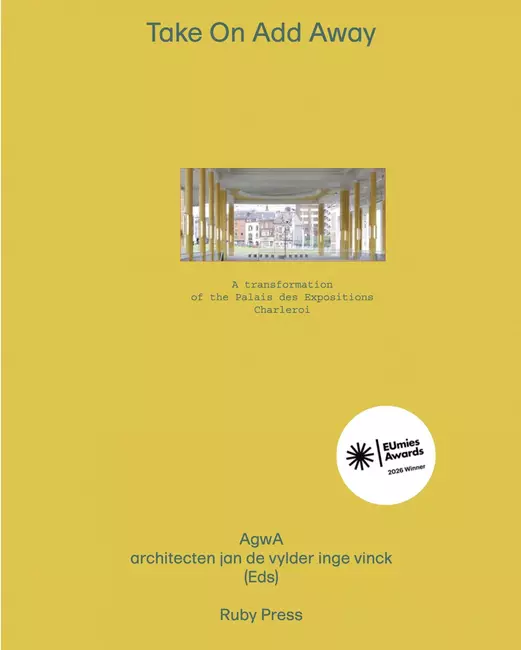
Take On Add Away – A transformation of the Palais des Expositions Charleroi
Un projet de transformation remarquable primé au Mies van der Rohe Award 2026 Un monument à l’optimisme industriel — et à sa réinvention radicale [...]
- PublicationsAuteur
Victor MEESTERS (Rotor) et Vincent LAUREAUPublisher
Collection « Villes terrestres »Published on 03/02/2026

20 PETITES LEÇONS D’ÉCONOMIE DE MATIÈRE
Un manuel de réemploi pour tous les constructeurs – étudiants, professionnels et amateurs. 20 exemples concrets pour que le réemploi devienne enfin la règle. [...]
